An Edda-rooted, inclusive guide to modern Norse Pagan and Heathen practice that works in imperfect, real-world environments. Honest about its sources. Humble about uncertainty. Useful on an ordinary weekday.
Edda-rooted · place-conscious · practical
Build the hearth you can actually keep.
Plainspoken Norse Pagan and Heathen practice for normal life: apartments, shared homes, travel, desert heat, hard weeks, and quiet rooms where you do not owe anyone a performance. No bloodline nonsense. No costume party. No gatekeeping.
The idea is simple: the hearth is not just a fire. It is what you keep warm, what you clean up, and what promises survive the week.
Pick your door
Where do you want to start?
New here
I'm brand new
Seven days, one small act a day. No shopping list, no performance, nothing to prove.
PracticeI need a simple practice
Blót, sumbel, and the small repeatable rites everything else is built from.
PoemsI want to read the poems
A method for turning a stanza of the Edda into something you actually do.
Real lifeI need this to fit my actual life
Apartment, city, desert, travel, shared housing — guides that start where you are.
Where this hearth stands
What this is — and is not.
A place for bloodline gatekeeping, racist folkish garbage, or pretending you need expensive objects to be real. Nobody's blood makes them more Heathen, and nobody's wallet does either.
Start small. Keep it clean. Come back tomorrow. Read the inclusive hearth statement →
The core idea
The hearth is what you do, not what you own.
The old poems are not decoration here. They are the trail markers. Each guide begins with an Eddic theme, then turns it into something you can actually do — without a forest, a bonfire, a horn, a kindred hall, or a perfect altar. The method is three steps: read the poem, ground it where you stand, do one small rite.
The poem first
Begin with a stanza, story, or image from the Poetic Edda. We treat the poems as powerful inherited literature — a well to draw from, not a rulebook to obey.
The place you stand
Apartment, desert, bus stop, office, car, city park, hotel room, backyard, or barracks — the guide adapts the practice to the environment you are actually in.
The small rite
Every page ends in one concrete act: a water offering, a spoken vow, an honored dead note, a boundary, a quiet reading, a portable-altar gesture. Small and repeatable.
Practice by place & theme
Start with the life you actually have.
There is no perfect setting. There is your room, your weather, your budget, your body, and the week you are trying to get through. These guides start there instead of pretending everyone lives in a saga scene.
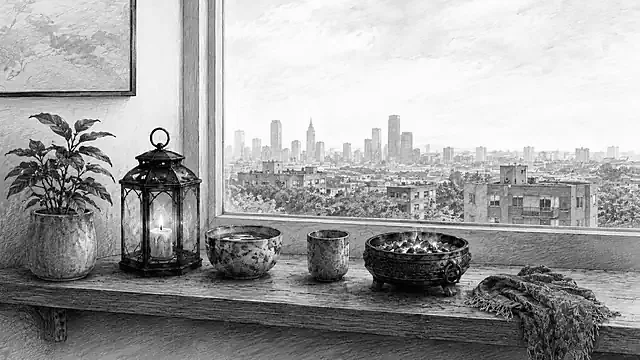 ApartmentNo smoke, no yard, no problemQuiet practice for renters, roommates, dorms, and small rooms.
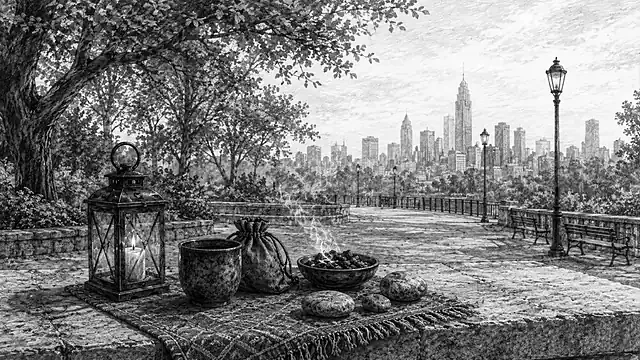 CityThresholds, rivers, crossingsUrban Heathenry shaped by parks, pavement, transit, and public respect.
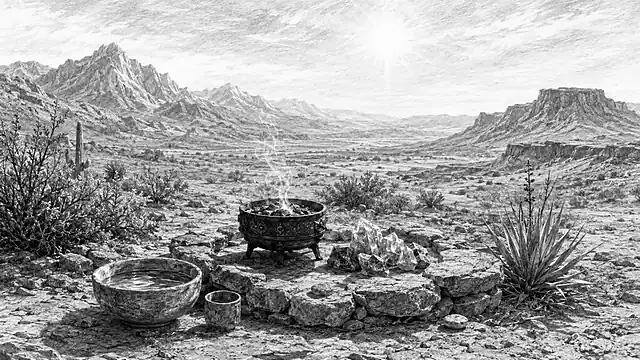 DesertHeat, stone, water, ravensPractice that honors the land you actually live on instead of forcing northern imagery.
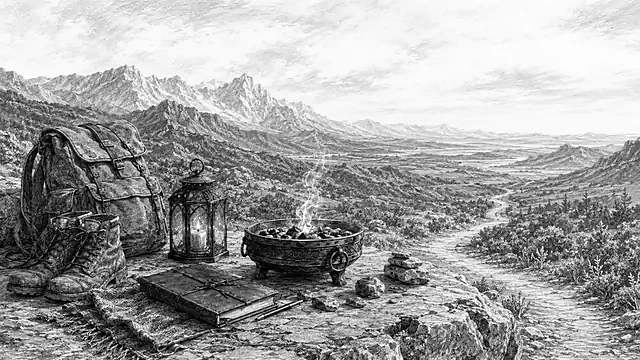 TravelPocket altars, road ritesPortable ritual for hotel rooms, vehicles, deployment, and life between homes.
 Body & CareWashed & fedNot a place but a way of carrying yourself: washing, body care, moderation, and sobriety as hearth-tending — honestly sourced, inclusive, and useful in barracks and regulation life.
Learn the practice
The useful parts, in plain words.
Beyond where you practice is what practitioners actually do — the rites, the turning year, the milestones of a life, and the runes. Four reference pages, honestly sourced and built to work alone or in a group.
Reference
Core Practices
Blót and sumbel, the gods, honored dead, land-wights, wyrd, and the values debate — the acts everything else is built from.
DatesThe Heathen Year
The three attested festivals, the modern wheel of the year, and days of remembrance — with what's ancient and what's modern named plainly.
MilestonesRites of Passage
Naming, coming of age, oath, marriage, welcoming a home, and honoring the dead — with portable and solitary forms.
SymbolsThe Runes
What the runes actually were, where their meanings come from, honest words on divination, and the folkish misuse to avoid.
Edda gates
Six ways into the poems.
Each poem is an entry point — a cluster of themes that becomes essays, reflections, and environment-specific practice. Start with whichever one names something you are already carrying: Hávamál (the road & the guest), Völuspá (memory & the turning world), Grímnismál (the named world), Þrymskviða (humor & recovery), Alvíssmál (many names, one world), and Lokasenna (shadow & broken hospitality).
The road & the guest
Hospitality, caution, friendship, reputation, moderation, wise speech, and the long work of becoming trustworthy. The backbone of portable practice.
Memory & the turning world
Creation, ruin, prophecy, cycles, grief, and renewal — the practice of seeing your small life inside a larger, turning world you cannot control.
The named world
Sacred geography, dwellings, ordeals, and hidden knowledge — learning to read layered meaning into the ordinary places you already move through.
Humor & recovery
Disguise, stolen power, and its return. What it means to bring your strength back without taking yourself too seriously along the way.
Many names, one world
One world, many names. A practice of noticing how land, sky, water, and home change depending on who is speaking and when.
Shadow & broken hospitality
Conflict, insult, taboo, and betrayed guest-right — and why mythic stories are to be studied carefully, not copied blindly.
Modern devotional art
Images from the poems, not costume claims.
Interpretive illustrations, not claims of exact historical appearance — visual doorways into Eddic motifs: the wanderer (Odin), the storm-warder (Thor), and the falcon-cloaked goddess (Freyja).

Odin
The wanderer
One-eyed, cloaked, watchful, and road-worn — an image for wisdom sought through cost, travel, and memory.
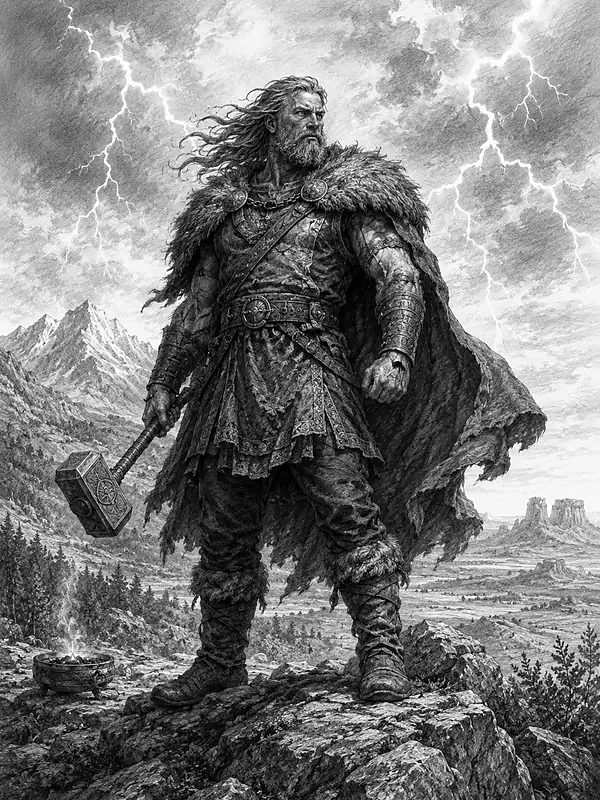
Thor
The storm-warder
Hammer, weather, protection, and blunt strength — an image for guarding the boundary and meeting the day directly.
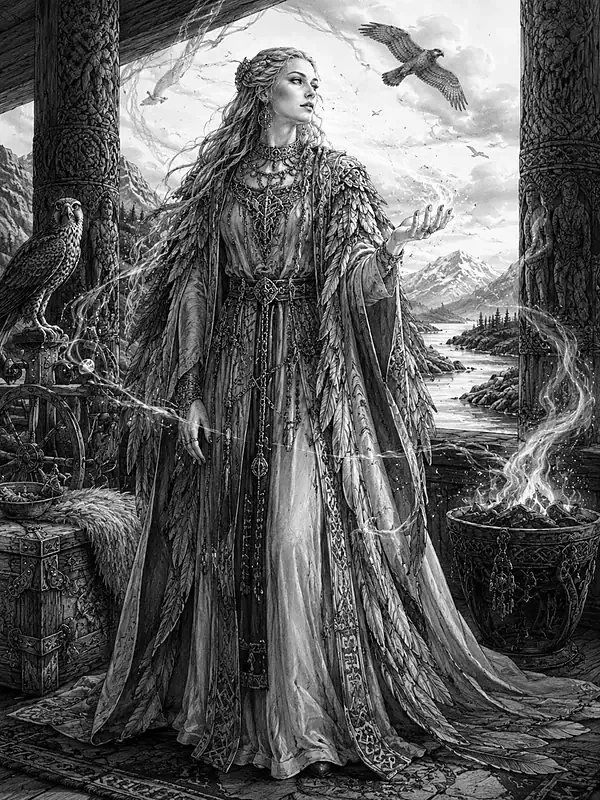
Freyja
The falcon-cloaked one
Beauty, grief, desire, magic, and agency — an image for power that does not ask permission to be complex.
Interpretive art, held to the site's standard: source-aware, inclusive, and honest about uncertainty.
From the shop
One tool, if you want it.
The free site is the practice. If you want it gathered into something you can print and keep by the hearth, there is exactly one product: The Pocket Hearth Starter Kit — a 23-page printable PDF for no-fire practice, shared homes, travel, and real life. $7, delivered as a download through Ko-fi. Nothing on this site requires it. More tools will come later when they are actually worth making. For now, this is the one.
The Hearth Circle
A circle, built carefully or not at all.
Most of us practice alone, and many of us prefer it that way. A community can still exist for people who will never meet — one that stays small, inclusive, and carefully tended rather than fast and unguarded. Read the house rules and the roadmap before anything opens.
The whole hearth
The whole shelf, so you can pick a door.
The full shelf in one view — the same groups you'll find in the menu, in the same order. Start anywhere; nothing is required, and nothing is behind a wall.
Begin
Practice
Poems & Runes
Guides
Letters from the hearth
Join the hearth list.
Occasional letters — new guides, seasonal rites, Edda reading paths, and portable practice tools. No noise, no selling your address, and you can leave any time.